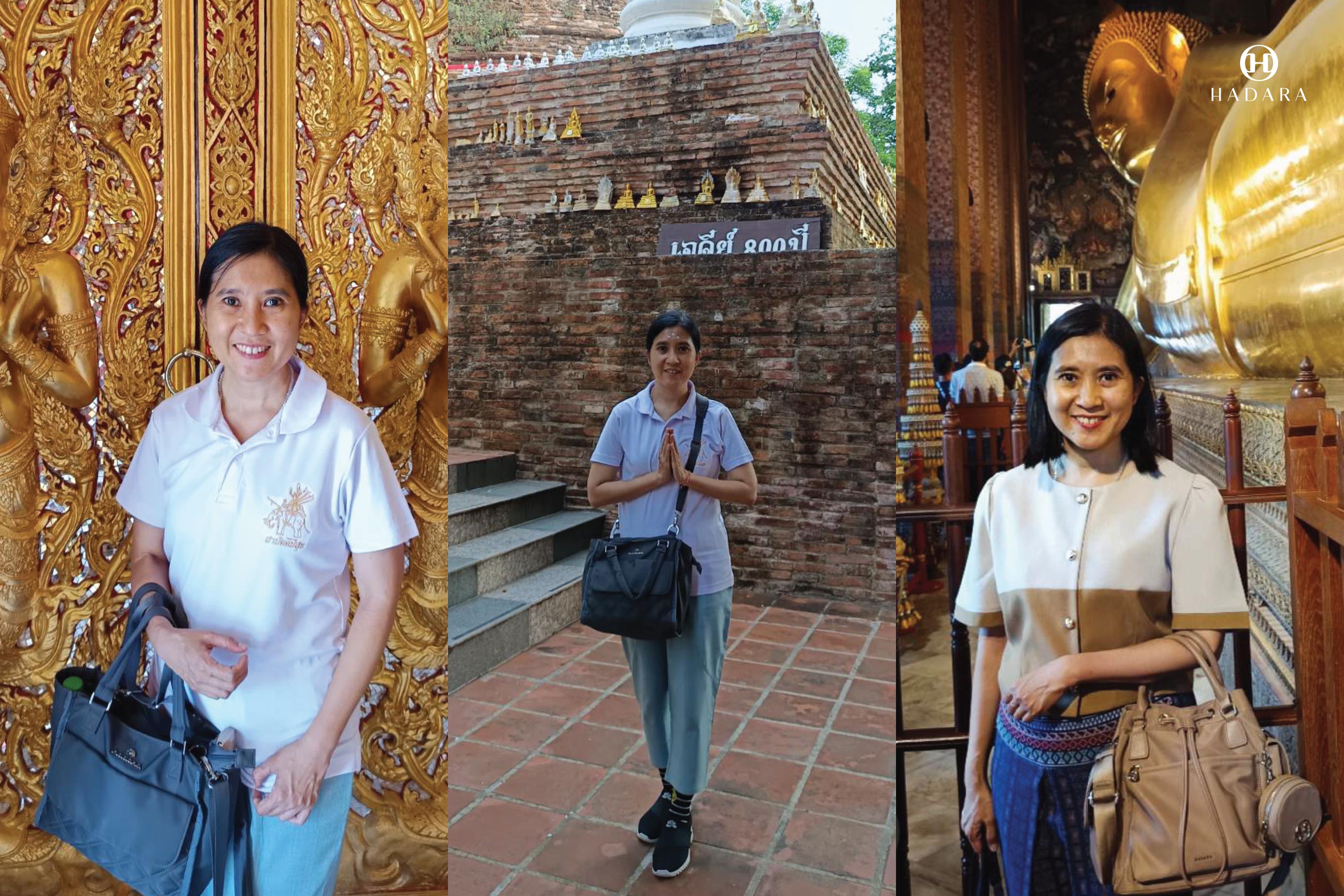
From Hako to Hadara: How Thinking Differently Created the Lightweight “Health Bag”
Think Differently, Then Do It
From “Hako Japanese Wardrobes” to “Hadara Health Bags”
The image from a TV show called “Puen Koo Kid” ten years ago is still vivid in our memory.
Back then, we weren’t running Hadara yet.
We were pouring all our energy into a small family business called Hako.
From a Small Factory to a New Idea
Hako made zippered steel-frame wardrobes in our father’s small factory.
We grew up among rolls of fabric, steel tubes, and the sound of sewing machines. After graduating, we were determined to help keep our family business alive.
But reality hit hard. The market was flooded with cheap imports from China. Wardrobes like ours were seen as disposable, temporary items.
We knew—if we kept doing the same thing, we wouldn’t survive.
Redefining the Ordinary
We decided to think differently.
We redesigned the wardrobes with warmer beige-brown tones, minimalist Japanese-inspired style, and rebranded them as “Japanese Wardrobes”.
The name Hako means “box” in Japanese—reflecting orderly storage and simplicity. Soon, even competitors began using the term “Japanese Wardrobe” to sell their own products.
We were proud—not just for selling a product, but for redefining how people saw something ordinary.
When Change Becomes Inevitable
Even though we started a trend, we couldn’t compete on price with Chinese imports. Selling became a break-even game at best.
We had to make a hard decision: stop selling wardrobes, even though we loved them deeply.
At that time, it felt like everything was falling apart. Just the two of us in a tiny office, wondering what to do next—holding on to the last bit of savings.

A New Pain Point, A New Beginning
We went back to our core principle: “Think differently, then act.”
We searched for a new pain point and found it—
We’d never had a bag that was truly comfortable to carry.
Not one that was light on the shoulder, easy to organize, and kind to our posture.
So we redefined an ordinary item again—
From “fashion bags” to “health bags.”
Designing with Purpose
We took what we learned from Hako—organization and structure—and applied it to bag design.
We used our knowledge of materials to make bags that were lightweight yet structured. And most importantly, we focused on how women actually feel when carrying them.
Our first model, Chapter 8, was born.
Designers said it was too difficult. Factories said they’d never made anything like it.
So we designed it ourselves, prototyped it, and produced it with nothing but hope.
The Last Gamble That Changed Everything
That first batch was our last savings.
If it failed, we’d have no second chance.
But when it launched, the response was overwhelming.
We weren’t used to the word “sold out”—we were more familiar with “loss.”
This time, it was different. We won—because we dared to think differently and act on it.

From Hako to Hadara
Today, Hadara is known as a “health bag” brand.
But we never forget—without Hako Japanese Wardrobes, there would be no Hadara Health Bags.
To our very first customers, and to everyone who still believes in our mission—
Thank you, from the bottom of our hearts.
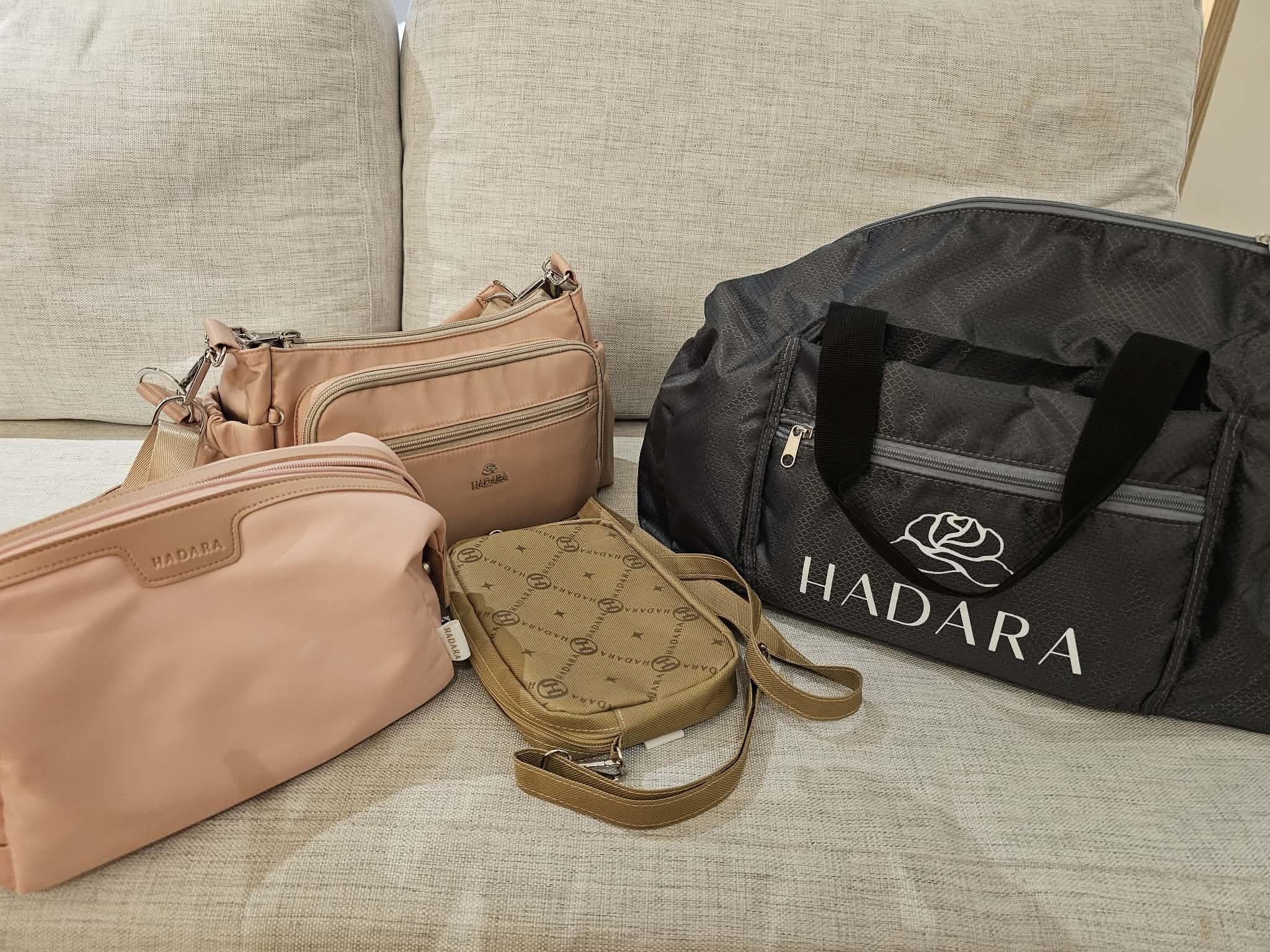
รีวิว HADARA Classic 55 กระเป๋าเดินทางครบเซ็ต ลูกค้าให้ 5 ดาว
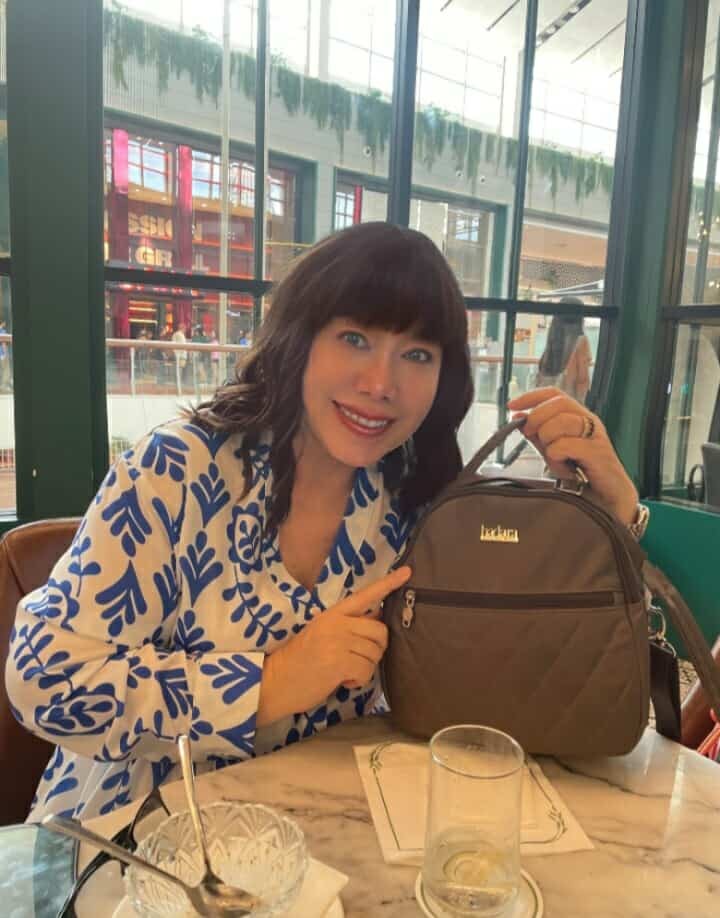
The Story of Tui: A Retired HR Manager Who Found Her Perfect Lightweight Everyday Bag in Hadara
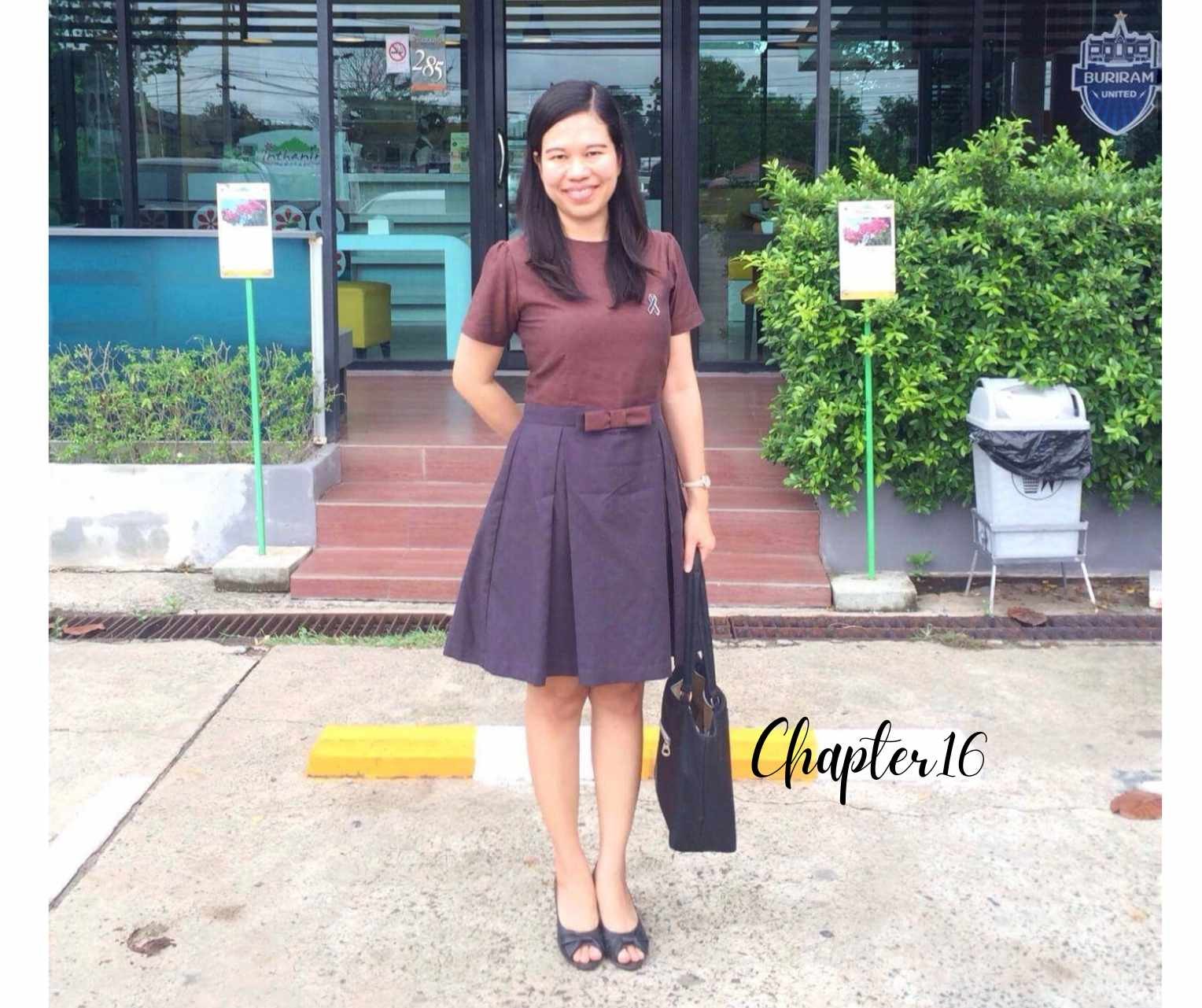
O’s Story: A Minimalist University Lecturer Using Hadara Health Bags for Over 9 Years